
The Social Media Tagging Framework: A Guide to Accurate Campaign Reporting
Learn how to build a social media campaign tagging system using a unified dashboard to track TikTok, Instagram, Facebook, and YouTube performance accurately.
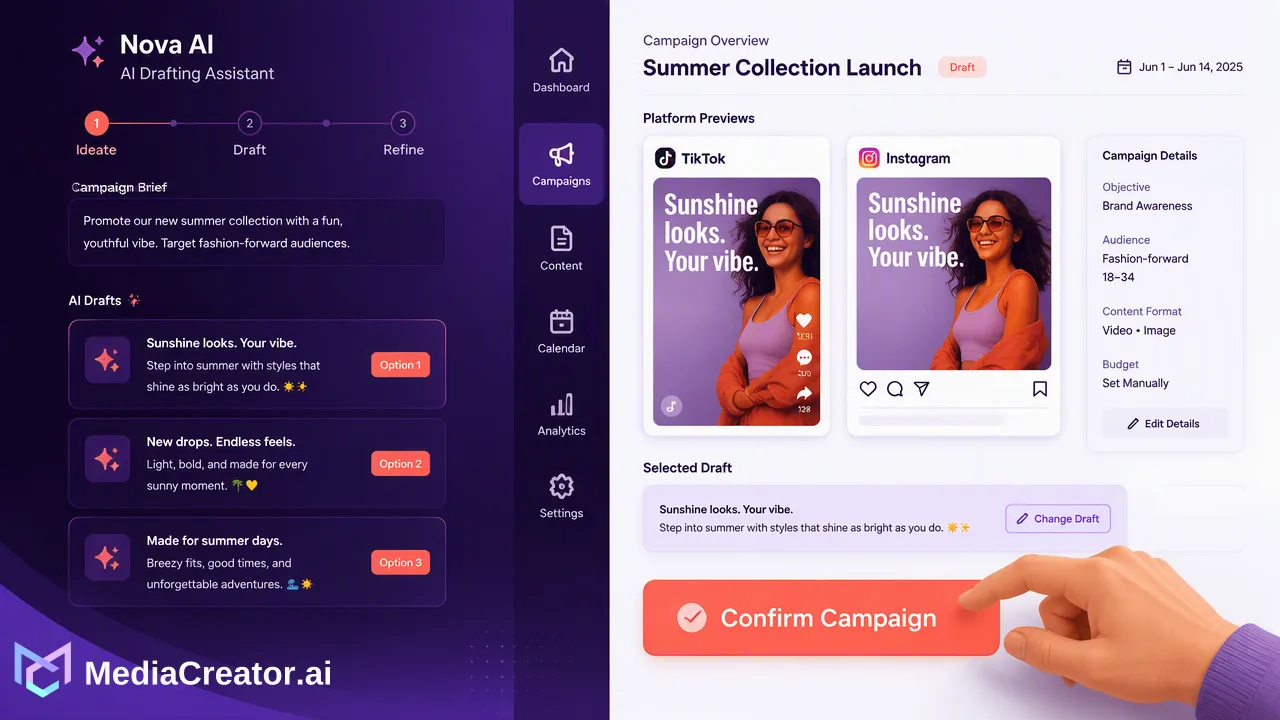
Learn how to build a reliable social media campaign tagging system by moving from manual tracking to a unified dashboard for TikTok, Instagram, Facebook, and YouTube.
An accurate social media campaign tagging system relies on centralizing your workflow rather than relying on fragmented manual tracking. By using a unified dashboard to manage publishing, engagement, and analytics, teams can reduce data silos and the need for constant tool switching. This centralized approach supports tracking campaign performance across TikTok, Instagram, Facebook, and YouTube in one place. Instead of manually aggregating metrics from different native apps, a unified framework keeps your reporting based on consistent data, giving social media managers and agencies a clearer picture of how their content performs across multiple channels.
The Challenge of Fragmented Campaign Management
Managing multiple platforms manually often leads to data silos and inefficient workflows. When teams rely on spreadsheets and native platform analytics to track a social media campaign tagging system, they face constant context switching. Copy-pasting links, manually checking for comments, and updating status trackers across different tabs consumes time that could be spent on strategy. This fragmented approach makes it difficult to maintain a clear overview of campaign health. Without a centralized interface, tracking the exact status of a post—whether it is a draft, queued, or published—becomes a manual administrative burden. Furthermore, gathering engagement data from isolated native apps increases the risk of missing critical audience interactions, ultimately complicating the reporting process.
Building Your Unified Reporting Framework
The foundation of a reliable reporting framework is a centralized dashboard that brings all your channels into a single environment. MediaCreator.ai supports this by allowing teams to connect multiple accounts for TikTok, Instagram, Facebook, and YouTube. This connection is handled through OAuth 2.0, which supports secure access without the need for password sharing or installing browser extensions. Once accounts are connected, managing audience interaction becomes significantly more streamlined. A unified social inbox aggregates comments, direct messages, and @mentions from all connected accounts into one continuous stream. Instead of logging into four different platforms to monitor campaign reception, teams can review and reply to engagement directly from the unified inbox. This consolidation not only speeds up response times but also provides a clearer, more immediate picture of how a campaign is being received by the audience, which is a critical input for accurate campaign reporting.
Streamlining Content Execution with AI
A modern social media campaign tagging system also integrates content creation directly into the management workflow. MediaCreator.ai provides optional AI features to assist in the drafting and media generation phases. For visual assets, Content Studio supports AI-assisted image and video generation based on user briefs and uploaded media. When it comes to copywriting, Nova AI acts as a co-pilot for post drafting and workflow assistance, while Quick Caption generates platform-adapted copy based on the specific media you upload. While these tools accelerate the ideation and drafting process, they are designed as workflow assistants rather than autonomous publishers. All AI write actions in MediaCreator.ai require a human-in-the-loop confirmation step. Before any AI-generated content goes live, the platform displays a confirm card, helping social media managers retain full editorial control. This mandatory review step helps align all campaign messaging with brand guidelines before it reaches the audience.
Visualizing Campaign Progress
Accurate reporting requires transparent tracking of content at every stage of the publishing lifecycle. MediaCreator.ai utilizes a visual calendar that clearly displays posts in draft, queued, and published states. This cross-platform publishing calendar supports teams in composing a single post and adapting it for multiple supported platforms simultaneously. Before scheduling a post on the visual calendar, users can generate per-platform previews. This feature shows exactly how the content will render on TikTok, Instagram, Facebook, or YouTube, helping confirm that formatting, tags, and media dimensions are optimized for each specific environment. By managing the entire lifecycle—from draft to published—on a single visual calendar, teams maintain a clear historical record of their campaigns. This structured visibility directly supports accurate reporting, as managers can easily cross-reference published content with the engagement data collected in the unified inbox.
FAQ
How can I manage multiple social media accounts without switching apps?
You can manage multiple accounts by using a centralized web-based platform like MediaCreator.ai. By connecting your TikTok, Instagram, Facebook, and YouTube accounts via OAuth 2.0, you can compose posts, schedule them on a visual calendar, and handle all comments and direct messages from a single dashboard, reducing the need to switch between native apps.
What is the benefit of using a unified inbox for campaign reporting?
A unified inbox aggregates all comments, direct messages, and @mentions from your connected platforms into one stream. This consolidation provides a comprehensive view of audience engagement, making it easier to measure campaign reception and incorporate interaction data into your reporting framework without manually checking each platform.
How does AI-assisted content creation fit into a professional workflow?
AI tools like Nova AI and Content Studio assist by speeding up the drafting process and generating images or videos based on your briefs. However, they function as optional co-pilots rather than autonomous systems. In MediaCreator.ai, all AI write actions require a human-in-the-loop confirmation step, so professionals review and approve the content before it is scheduled or published.
Get Started with MediaCreator.ai
Discover the power of AI-driven content creation
Related Articles
Continue learning with these related guides
Mastering Social Media Algorithms: A Workflow Guide for Algorithmic Optimization
Learn how a structured social media algorithm optimization workflow helps teams adapt content, schedule posts, and review cross-platform analytics.
BlogHow to Build a Scalable Social Media Content Calendar for 2026
Learn how to build a scalable social media content calendar workflow with per-platform previews, asset organization, and AI assistance.
Blog