
Mastering LinkedIn Consistency: A Workflow Guide to Automated Scheduling
Streamline your scheduling workflow by shifting from manual daily posts to batch planning, visual calendars, and multi-platform management.
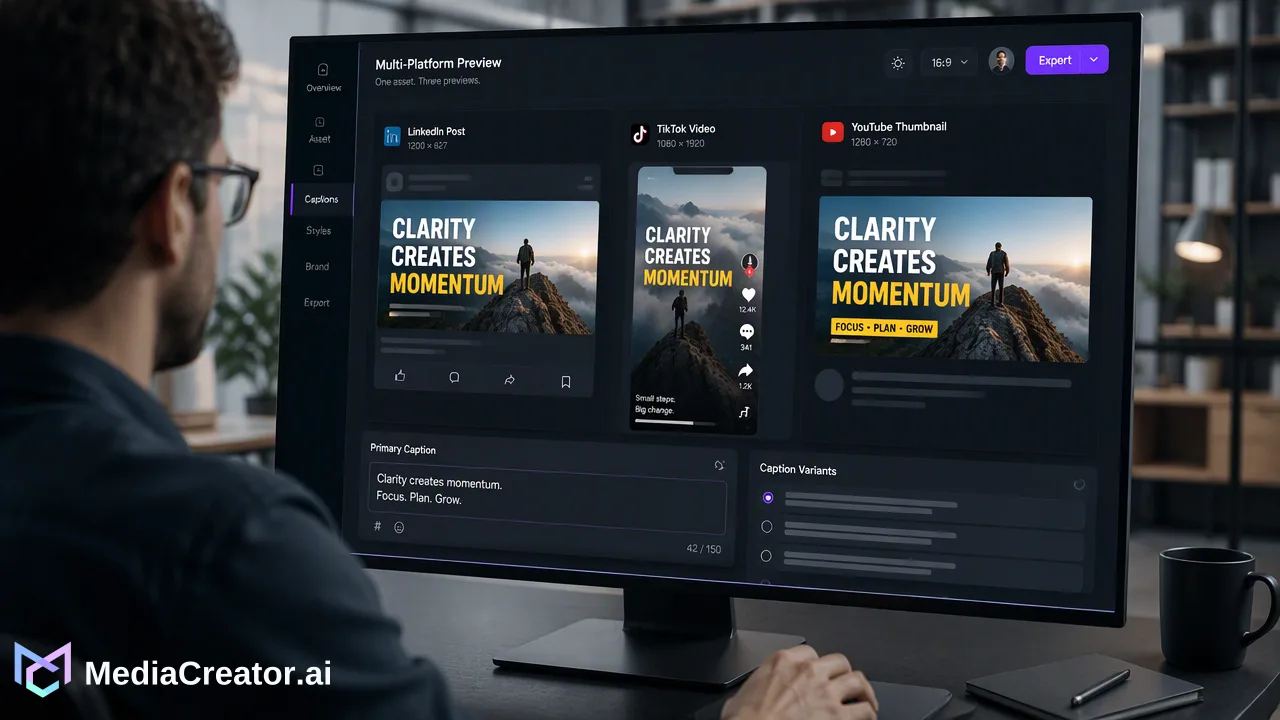
Maintaining consistent professional visibility requires shifting from reactive daily posting to proactive batch planning. This guide outlines how structured scheduling workflows, visual calendars, and multi-platform management streamline social publishing.
Maintaining a consistent professional presence on social media is critical for audience visibility, yet manual daily posting quickly becomes unsustainable. Adopting an automated scheduling workflow enables teams to batch-plan content, preview layouts across channels, and queue updates systematically. By organizing posts within a visual calendar and establishing review protocols, organizations can eliminate daily publishing friction while keeping their brand messaging focused and reliable.
The Operational Burden of Manual Posting
Many professionals and organizations begin their social media journey by creating and publishing updates manually every day. While manageable initially, this ad-hoc habit routinely turns into an operational bottleneck as posting schedules expand. Publishing daily posts manually requires creators and marketing teams to write copy, source visual assets, format text, and upload files in real time. This reactive process frequently leads to inconsistent posting cadences, formatting errors, and operational fatigue. When team members are pulled into competing priorities, social feeds go quiet, disrupting audience touchpoints. Addressing this bottleneck requires separating content generation from content distribution. Rather than logging into platforms daily to post on the fly, teams can establish a structured scheduling workflow that consolidates production into dedicated planning sessions.
Batch Planning and Calendar Organization
The foundation of a reliable scheduling workflow is batch content planning. Instead of producing one post per day, teams assemble thematic content in weekly or monthly batches. This approach allows marketers to align messaging with organizational milestones and verify that content themes remain balanced over time. A central component of batch planning is a visual publishing calendar. Tracking posts across distinct states—draft, queued, and published—provides immediate visibility into pipeline health. Teams can quickly identify coverage gaps, adjust upcoming launch dates, and balance promotional announcements with educational insights. MediaCreator.ai supports this workflow through its Cross-Platform Publishing Calendar, which allows teams to compose an update once, adapt messaging for each destination, and monitor all scheduled materials on a unified timeline.
Essential Capabilities for Cross-Platform Management
While professionals often search for a dedicated LinkedIn scheduling workflow, modern brand visibility rarely relies on a single network. Comprehensive outreach requires coordinating messages across several major channels while maintaining channel-specific standards. When evaluating workflow platforms, teams should focus on security, preview fidelity, and multi-channel governance:
| Capability | Manual Publishing Process | Structured Scheduling Workflow |
|---|---|---|
| Account Connection | Shared passwords or browser extensions | Direct OAuth 2.0 authorization |
| Multi-Profile Handling | Constant account switching | Centralized dashboard management |
| Quality Assurance | Live testing or post-publish editing | Per-platform visual previews |
| Cadence Control | Unpredictable, ad-hoc distribution | Automated queuing on a visual calendar |
| MediaCreator.ai enables multi-account management across major networks, including TikTok, Instagram, Facebook, and YouTube. Profiles connect securely over OAuth 2.0 without requiring browser extensions or credential sharing. Furthermore, per-platform preview tools allow teams to inspect media framing and text formatting before items go live, safeguarding quality across every connected destination. |
Integrating AI Assistance with Brand Voice Controls
Maintaining a steady queue of social updates requires significant copywriting and media preparation. Modern workflows frequently incorporate AI assistance to accelerate early drafting stages while preserving human editorial control. MediaCreator.ai integrates optional AI capabilities, including Quick Caption for producing platform-tailored copy from uploaded media and Content Studio for generating supporting imagery and video assets. To prevent tone drift across team members, the Brand Voice feature records a reusable brand profile, ensuring that suggested captions adhere to organizational style rules. Critically, AI assistance should never mean unmonitored automation. MediaCreator.ai applies confirm-first behavior to AI write actions, requiring operators to review and confirm drafts before they enter the queued state. This safeguard protects brand accuracy while still reducing the operational labor of blank-page drafting.
Managing Post-Publish Engagement in One Place
Publishing content on a consistent schedule achieves little if incoming responses are ignored. Community interaction is an essential counterpart to content distribution, but tracking conversations across disparate channels often fractures team focus. A complete scheduling workflow includes post-publish engagement management. MediaCreator.ai provides a Unified Social Inbox that collects comments, direct messages, and @mentions from connected profiles into a single workspace. By centralizing incoming interactions alongside scheduled updates, teams can review and reply to audience feedback efficiently, maintaining active professional relationships without logging into multiple native dashboards.
FAQ
How does an automated scheduling workflow improve publishing consistency?
An automated scheduling workflow replaces sporadic, reactive creation with scheduled production cycles. Teams draft and organize content in advance, queuing it across designated dates and time slots. This approach separates content ideation from the mechanics of distribution, helping organizations maintain a steady cadence regardless of daily workload fluctuations.
What core features support an effective scheduling workflow?
A practical workflow requires a visual publishing calendar that tracks draft, queued, and published states, per-platform preview capabilities to verify formatting before distribution, and centralized account management. For ongoing audience interaction, combining scheduling with a unified inbox helps teams monitor incoming comments and mentions alongside their publishing pipeline.
How can AI tools assist in drafting while maintaining brand voice?
AI assistance tools can generate initial copy and platform-adapted captions from uploaded assets, while dedicated Brand Voice profiles apply preconfigured tone rules to keep drafts aligned with brand guidelines. Incorporating confirm-first workflows ensures that all AI-generated drafts undergo human review before entering the publishing queue.
Learn More
Choose the product information that fits the next step in your workflow.
Get Started with MediaCreator.ai
Discover the power of AI-driven content creation
Related Articles
Continue learning with these related guides
How to Optimize Your Facebook Business Page for Professional Social Media Management
Learn how facebook business page optimization helps teams manage brand presence, collaborate securely via OAuth, and streamline cross-platform publishing.
BlogBuilding a Real-Time Social Media Monitoring Workflow: A Guide to Reputation Management
Learn how to build a real-time social media monitoring workflow to track mentions, assess sentiment, and protect brand reputation across channels.
Blog