
Building an Employee-Generated Content Program: A Workflow Guide for Modern Brands
Build a structured employee-generated content workflow. Learn how to align internal creators with clear briefs, review calendars, and unified social inboxes.
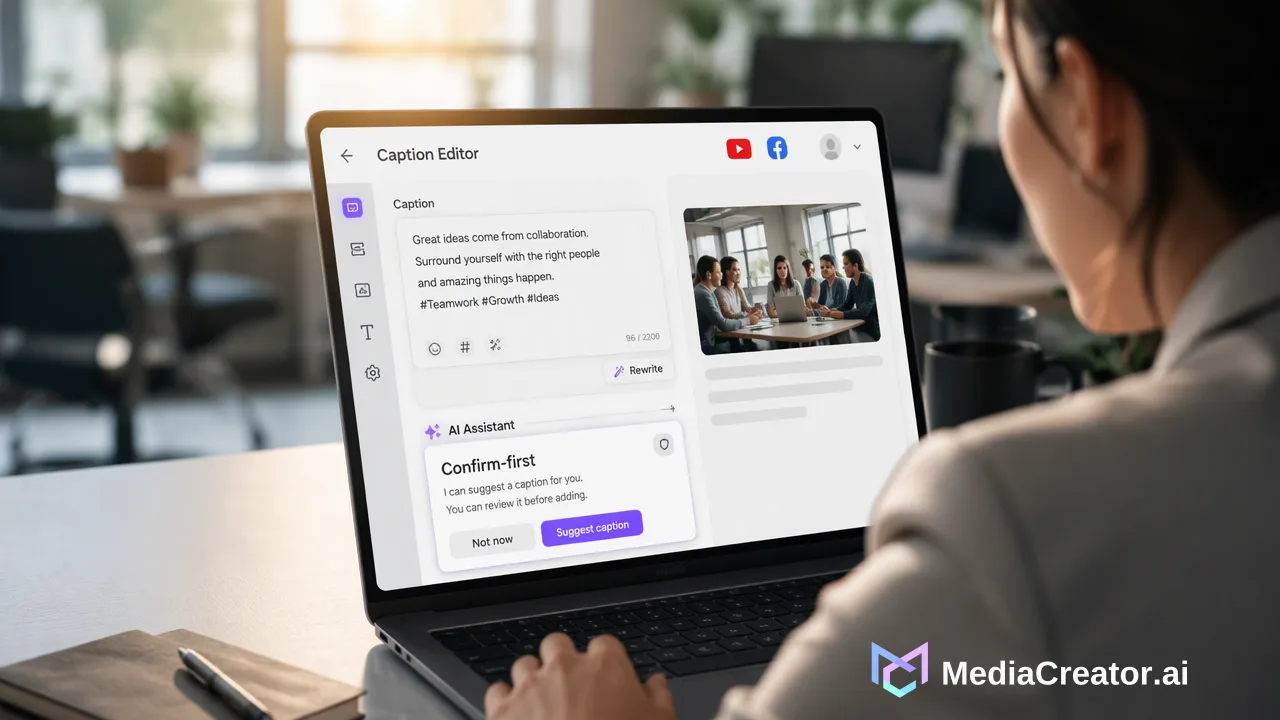
Learn how to build a scalable employee-generated content workflow using structured briefs, brand voice controls, centralized scheduling, and unified engagement.
An effective employee-generated content workflow moves internal advocacy from ad-hoc social sharing into a structured creator channel. By establishing standardized briefs, training programs, and clear compensation or incentive models, brands align internal contributors with core marketing goals. Managing this operation requires a centralized system to coordinate drafts across supported networks—such as TikTok, Instagram, Facebook, and YouTube—using visual publishing calendars, brand voice safeguards, and unified inboxes to review engagement systematically.
The Evolution of Employee-Generated Content
Employee-generated content has transitioned from casual, voluntary social posts into an organized, measurable creator channel. In earlier advocacy models, employees shared company links or generic text directly to their personal feeds without systematic guidance. Modern brands now approach internal contributors as authentic creators who provide behind-the-scenes insights, subject matter expertise, and workplace culture updates. Treating employees as an intentional creator channel requires institutional infrastructure. Organizations must supply clear briefs, offer baseline training on digital storytelling, and implement clear incentive structures. When internal teams receive clear guidelines on visual presentation and key themes, their contributions align naturally with wider marketing priorities while retaining authentic, individual perspectives.
Aligning Internal Creators with Briefs and Incentives
Scaling an internal creator program requires formalizing how content is requested, produced, and acknowledged. Unstructured calls for participation often lead to irregular posting, inconsistent messaging, or contributor burnout. ### Content Briefs and Educational Training A comprehensive creative brief outlines the target topic, acceptable visual formats, and required brand disclosures. Pairing these briefs with practical training—covering basic framing, audio clarity, and platform formats—builds confidence among participating staff. Rather than dictating rigid scripts, briefs should establish clear boundaries that let employees showcase genuine experiences within professional guardrails. ### Compensation and Recognition Frameworks Sustained participation requires structured incentives. Internal creators invest extra time outside their primary responsibilities to film, write, and refine assets. Organizations can support internal creators through:
- Formal stipends or creator bonuses for completed, approved deliverables. - Dedicated professional development budgets or equipment allowances. - Internal recognition programs integrated into performance reviews. Formalizing compensation establishes accountability and sets clear expectations for both contributors and marketing leads.
Operationalizing the Publishing and Review Workflow
Moving content from an employee's camera roll to an approved live post requires an organized operational workflow. Relying on disconnected chat threads or manual file transfers creates operational bottlenecks and increases compliance risks. Centralizing this process through MediaCreator.ai allows marketing teams to manage social operations efficiently across TikTok, Instagram, Facebook, and YouTube. Accounts connect securely over OAuth 2.0, eliminating the security risks associated with sharing primary account passwords or installing third-party browser extensions. | Workflow Stage | Manual Approach | Centralized Dashboard Approach | | :--- | :--- | :--- | | Account Access | Shared passwords, multi-factor friction | Secure OAuth 2.0 connections without shared credentials | | Scheduling | Fragmented native platform scheduling | Visual calendar showing draft, queued, and published states | | Multi-Channel Review | Manual mobile previews | Dedicated per-platform rendering previews before publication | | Engagement Tracking | Logging into separate native apps | Unified inbox aggregating comments, DMs, and @mentions | Using a visual cross-platform publishing calendar, brand managers can organize incoming employee submissions into draft, queued, and published states. Because each social network formats media differently, teams can compose an initial update once and review distinct per-platform previews before scheduling, ensuring the final layout respects native video ratios and caption limits.
Maintaining Brand Consistency with Confirm-First AI Workflows
Maintaining a cohesive brand identity becomes increasingly complex as the number of internal creators grows. Diverse contributors naturally write in varying registers, which can lead to fragmented social feeds if left unmanaged. MediaCreator.ai provides Brand Voice settings that store a reusable tone profile, helping marketing teams refine employee captions to fit established style guidelines. When drafting or adapting copy, tools like Quick Caption can suggest platform-tailored copy directly from uploaded media assets. To safeguard quality and compliance, all AI write actions operate under a confirm-first model. A confirmation card appears before any post is scheduled or published, requiring explicit team approval. This structure ensures that while AI assists in adapting and polishing copy quickly, human review remains a mandatory checkpoint for every live message.
Managing Engagement and Evaluating Program Impact
An employee creator program does not end once an asset is published. Brand-adjacent posts often drive active discussions, customer inquiries, and peer feedback in the comments. A Unified Social Inbox gathers comments, direct messages, and @mentions across all connected brand and creator channels into a single dashboard. Instead of asking employees to field customer support inquiries or monitoring dozens of mobile accounts manually, community managers can review incoming conversations and reply promptly from one place. Tracking the performance of an employee creator program involves comparing audience engagement patterns against traditional external influencer collaborations. While external campaigns often deliver brief visibility spikes, internal creators provide sustained authenticity and ongoing workplace perspective. Managing this workflow within a unified dashboard gives marketing leaders complete visibility into overall channel health, output cadence, and community sentiment.
FAQ
How do teams maintain brand consistency across employee-generated content?
Organizations maintain consistency by implementing structured briefs and defining clear tone parameters. Using features like MediaCreator.ai Brand Voice allows teams to store a reusable tone profile so AI-assisted drafting adheres to brand guidelines, while confirm-first editorial workflows guarantee every post is reviewed before going live.
What tools support an operational employee creator program?
A structured program relies on a central social dashboard to connect multiple accounts securely via OAuth without sharing passwords, a visual publishing calendar displaying draft, queued, and published states, and a unified inbox to track audience interactions.
How does a unified social inbox support internal advocacy initiatives?
A unified inbox aggregates incoming comments, direct messages, and @mentions from connected brand and employee profiles into a single view. This helps community teams monitor responses, maintain service standards, and coordinate replies across platforms without constant account switching.
Learn More
Choose the product information that fits the next step in your workflow.
Get Started with MediaCreator.ai
Discover the power of AI-driven content creation
Related Articles
Continue learning with these related guides
The Collaborative Content Framework: How to Co-Author Social Campaigns with Creators
Discover how to co-author social campaigns with creators using a unified cross-platform publishing calendar and governed brand voice workflows.
BlogMapping Creator Briefs to Conversion Paths: A Workflow Guide for Q4 Retail
Learn how to map creator briefs to Q4 retail conversion paths across marketplaces and DTC storefronts using structured multi-platform workflows.
Blog