
Beyond Social Listening: How to Build an Audience Intelligence Workflow
Move beyond reactive social listening. Learn how to build an audience intelligence workflow to turn engagement data into an informed content strategy.
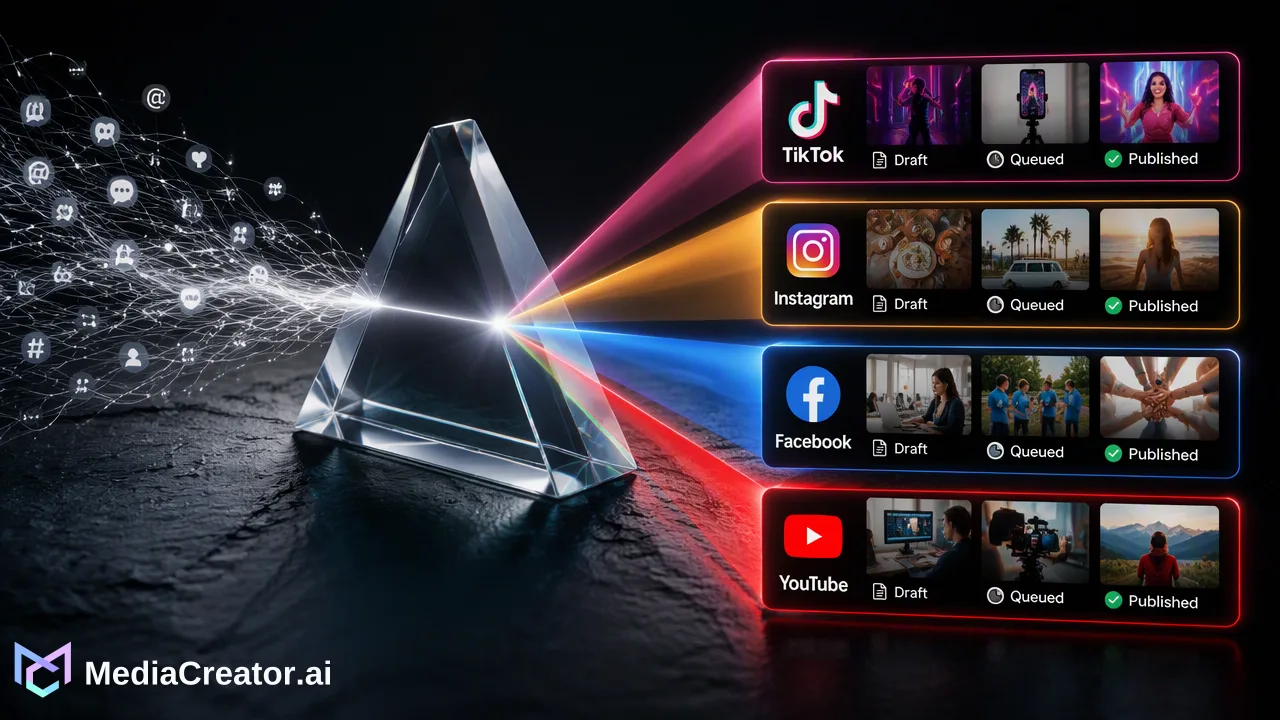
Learn how to build an ongoing audience intelligence workflow that moves beyond reactive social listening to uncover audience behaviors, motivations, and actionable content insights.
An audience intelligence workflow is an ongoing, data-driven practice that analyzes audience motivations, behaviors, and interaction patterns to guide editorial and positioning decisions. While social listening primarily monitors mentions and broad conversational sentiment across platforms, audience intelligence examines the actual people behind those interactions. By continuously reviewing community feedback, direct messages, and performance analytics across connected channels, marketing teams can replace speculative assumptions with verified behavioral signals to inform their publishing calendar.
Social Listening vs. Audience Intelligence
Many marketing strategies rely heavily on social listening to detect brand mentions, track competitor tags, and assess high-level sentiment. While listening tools help organizations understand what is being said in public conversations, they rarely reveal the operational context of who is participating in those discussions. Audience intelligence shifts the strategic focus from the conversation itself to the community members driving it. Instead of merely aggregating keyword volume, an audience intelligence workflow evaluates user intent, recurring problems, preferred formats, and channel-specific behaviors. This distinction separates reactive monitoring from proactive strategy. | Attribute | Social Listening | Audience Intelligence | | :--- | :--- | :--- | | Primary Focus | Volume of mentions, brand keywords, and broad sentiment | Participant characteristics, behavior patterns, and intent | | Core Data Source | Broad conversational streams and keyword queries | Direct interactions, incoming inquiries, and per-post metrics | | Strategic Role | Reactive brand monitoring and crisis alert detection | Ongoing foundation for content planning and positioning | | Actionable Output | Sentiment summaries and mention alerts | Refined messaging, topic roadmaps, and scheduling adjustments | By distinguishing between tracking chatter and analyzing audience composition, organizations can build campaigns grounded in observed user behavior rather than high-level sentiment scores.
The Case for an Ongoing Intelligence Workflow
A common mistake in audience research is treating it as an isolated milestone, such as a quarterly survey or a static buyer persona document. Audience expectations, industry questions, and platform preferences change quickly across major video and social networks, including TikTok, Instagram, Facebook, and YouTube. Establishing audience intelligence as a continuous operational habit serves as a strategic insurance policy against unverified assumptions. When teams rely on historical assumptions, messaging drifts away from the current realities of prospective buyers and community members. An ongoing workflow establishes an active feedback loop:
- Capture: Regularly observe inbound comments, queries, and direct messages. * Synthesize: Group recurring questions into core themes and evaluate them alongside internal CRM data and customer touchpoints. * Plan: Translate validated customer questions into scheduled calendar items. * Evaluate: Review account-level performance and interaction density to confirm whether the new content addressed audience needs.
Integrating Interaction Data into Editorial Planning
To make audience intelligence useful, teams must connect audience signals directly to daily publishing decisions. Data collected in isolation rarely improves content quality unless it is embedded into the editorial workflow. ### Qualitative Review via Unified Inboxes Direct interactions provide high-fidelity qualitative insight. When teams manage comments, direct messages, and mentions across multiple accounts from a single unified inbox, they can spot operational trends that keyword listening misses. Recurring questions in direct messages often indicate gaps in website documentation or content libraries. Noting the exact phrases community members use allows copywriters to adopt authentic customer language rather than internal jargon. ### Quantitative Validation through Performance Analytics Qualitative questions should be paired with channel analytics. Reviewing per-account and per-post metrics helps teams identify which topics generate meaningful engagement and which formats fail to connect. Performance analytics also provide posting-time recommendations based on observed audience activity patterns, supporting more deliberate calendar scheduling. ### Operationalizing Insights on the Calendar Once audience themes are identified, teams can adapt their concepts per platform using tools like MediaCreator.ai. Because content formats perform differently across TikTok, Instagram, Facebook, and YouTube, drafting dedicated variations and reviewing per-platform previews ensures that messaging matches each platform's rendering standards. Placing these posts onto a visual publishing calendar with draft, queued, and published states ensures insights systematically translate into finished assets.
Common Pitfalls in Audience Research
Teams shifting from basic social monitoring to audience intelligence often encounter structural obstacles that dilute their findings. * Over-indexing on vanity metrics: Tracking raw follower counts or broad impression numbers often conceals weak audience engagement. Prioritizing engagement quality, substantive comments, and direct inquiries yields stronger strategic direction. * Treating audience profiles as static: Creating audience personas once during brand onboarding leads to stale content. Teams should continually update their internal audience profiles using current interaction records and CRM notes. * Operating channels in silos: When community managers review comments in platform isolation without passing common themes to editorial planners, intelligence is lost. Centralizing inbound conversations across channels ensures that recurring audience problems reach the content production team. * Relying entirely on automated summaries: While AI tools and automated metrics assist with organization, qualitative human review remains necessary to understand context, emotional nuance, and product feedback.
FAQ
What is the primary difference between social listening and audience intelligence?
Social listening focuses on monitoring conversation volume, keywords, and brand sentiment across public channels. Audience intelligence looks deeper into the characteristics, recurring inquiries, and behavioral trends of the specific individuals engaging with a brand, helping teams understand community motivations rather than just mention volume.
Why must audience intelligence be treated as an ongoing process?
Audience preferences, concerns, and platform behaviors evolve continuously. Treating audience research as a one-time initiative leaves teams relying on outdated personas. An ongoing workflow acts as an operational insurance policy against marketing assumptions by feeding live engagement signals back into weekly planning.
How does unified inbox data support audience intelligence?
A unified inbox aggregates direct messages, comments, and mentions across accounts into a single view. Reviewing these messages helps teams identify recurring customer pain points, specific phrasing, and unmet content needs directly from active community members.
Learn More
Choose the product information that fits the next step in your workflow.
Get Started with MediaCreator.ai
Discover the power of AI-driven content creation
Related Articles
Continue learning with these related guides
From Data to Decisions: A Framework for Actionable Social Listening
Learn how to transform social listening metrics into strategic KPIs by bridging reactive monitoring, unified inbox workflows, and long-term planning.
BlogBuilding a Unified Social Media Tech Stack: A 2026 Guide to Integrated Workflows
Explore how an integrated social media management tech stack unifies scheduling, AI drafting, and inbox tracking across major networks.
Blog