
What Is Synthetic Identity Fraud? A Glossary Definition
Learn what synthetic identity fraud is, how fictitious identities are assembled, and why digital footprints like phone and email help risk teams detect it.
By MediaCreator.ai Team
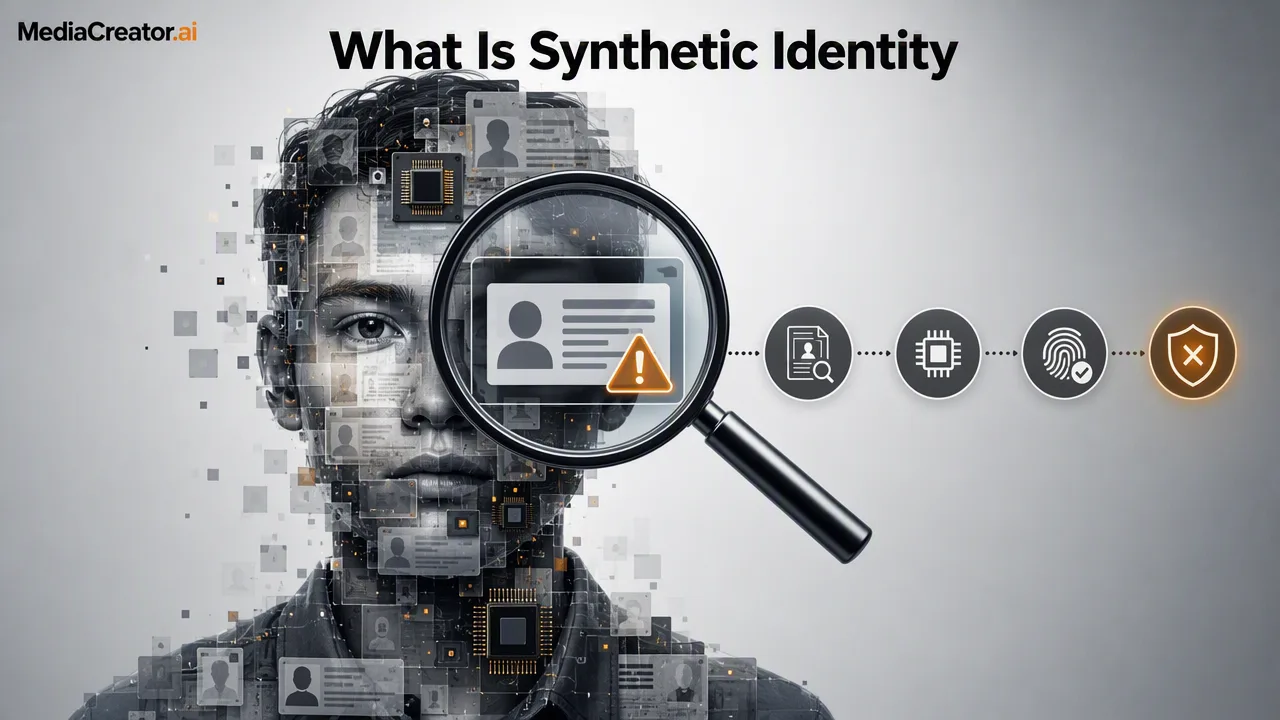
Synthetic identity fraud involves combining real and fake information to create a fictitious persona. This glossary entry explains how these identities are built and how digital footprints assist in detection.
Synthetic identity fraud is a type of financial crime where perpetrators combine real information, such as a stolen Social Security number, with fabricated data to create a new, fictitious identity. This synthetic persona is then used to open fraudulent accounts or secure credit, often bypassing traditional identity verification checks that only look for existing records.
Defining Synthetic Identity Fraud
Synthetic identity fraud involves merging real and fake data to build an entirely new persona rather than impersonating an existing individual. Because the fabricated identity relies on fragments of legitimate data, it can often pass basic verification checks that only confirm whether an identifier is valid.
How Synthetic Identities Are Assembled
The creation of a synthetic identity is typically a methodical process. Fraudsters often use a mix of valid government-issued identifiers and invented personal details, such as a fictitious name, date of birth, or address. Once the initial persona is established, these identities are often "aged" over time. Perpetrators may apply for small lines of credit, make consistent payments, and slowly build a credit history. This aging process makes the synthetic identity appear legitimate to credit bureaus and financial institutions, eventually allowing the fraudster to secure larger loans or credit lines before abandoning the identity.
The Role of Digital Footprints in Detection
Because synthetic identities are constructed rather than lived, they often lack the natural digital history of a real person. Digital footprints, such as phone number history and email usage patterns, serve as valuable indicators for risk assessment. Real individuals typically have long-standing associations with their contact information, whereas synthetic identities might use newly created email addresses or burner phone numbers with no historical footprint. Inconsistencies in these digital signals help risk teams flag potentially synthetic identities for further review. While no single signal provides definitive proof of fraud, analyzing phone and email data supports risk management workflows by highlighting anomalies that warrant additional checks.
FAQ
How do phone and email signals assist in risk management?
Phone and email footprints provide historical context. Synthetic identities often lack a natural digital history, so inconsistencies in contact data—such as newly created emails or phone numbers with no prior usage—help risk teams flag applications for further review.
Get Started with MediaCreator.ai
Discover the power of AI-driven content creation
Related Articles
Continue learning with these related guides
Building Brand Trust: How Unified Social Identity Signals Influence AI Search
Learn how unified social media management builds brand trust and identity signals for AI search engine optimization across multiple platforms.
BlogWhat Is Account Takeover (ATO) Fraud?
Account Takeover (ATO) fraud occurs when unauthorized actors gain access to user accounts. Learn how credential stuffing, phishing, and SIM swapping enable ATO.
Blog